
Testing of organ function is a common and essential component of pediatric clinical trials. Procedures such as spirometry, pulse oximetry, electrocardiogram (ECG), urinalysis, stool testing, and biopsies play a critical role in advancing pediatric research.
For children and adolescents, however, these procedures can introduce anxiety. When youth do not understand what a test is, why it is needed, or what it will feel like, uncertainty can become a barrier to participation. For research teams, this can affect recruitment, retention, and overall study experience.
Why Organ Testing Can Feel Intimidating
For many young people, organ testing procedures are unfamiliar and difficult to understand.
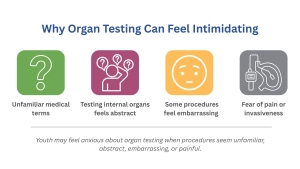
Medical terminology can be confusing, and the idea of testing an internal organ may seem abstract or unsettling to youth. Procedures like urinalysis and stool testing may feel embarrassing or vulnerable, while biopsies may sound painful or invasive if youth do not understand the role of anesthesia and pain management.
Why This Matters for Research Teams
Unfamiliarity, fears of pain, and vulnerability can each add a layer of uncertainty that can create hesitation when young people are considering participating in a clinical trial. In some cases, uncertainty or fear may lead participants to decline participation or withdraw after enrollment.
For studies that rely on sensitive procedures, this can introduce avoidable challenges.
Preparation Can Reduce Barriers.
Helping youth understand what to expect is a key step in reducing uncertainty. When participants are prepared for organ testing procedures, they are better able to understand why the test is needed, anticipate what will happen, and how to get ready for it. Preparation may not eliminate anxiety entirely, but it can improve readiness enough to increase their comfort and confidence to participate.
How DigiKnowIt News Supports Youth Readiness
DigiKnowIt News helps prepare youth for organ testing procedures by providing essential information on spirometry, pulse oximetry, ECG, urinalysis, stool tests, and biopsies.
When customizing the DigiKnowIt News website, research teams can select age-appropriate learning activities from a library of options. Researchers can tailor DigiKnowIt News content to match the procedures included in their study.
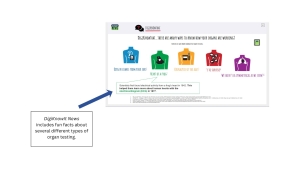
Through visual explanations and demonstrations, youth learn what to expect during organ testing procedures.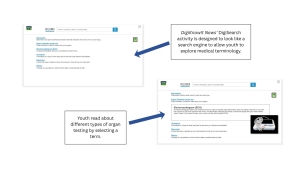
DigiKnowIt News helps youth understand what organ testing involves, how to prepare, and why these tests are used.
Interactive content can make unfamiliar procedures easier to understand.
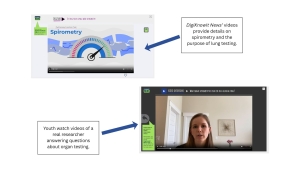
Illustrations, demonstrations, and storytelling help reduce confusion and build confidence before participation.
Written materials with complex terminology and lengthy conversations with research staff are not always enough to effectively address youth fears. DigiKnowIt News offers a more engaging, developmentally appropriate way to support understanding and preparation.
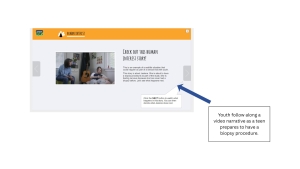
Organ testing content is available in the teen version of DigiKnowIt News, allowing study teams to tailor content to their protocol and participant population.
Prepare Participants for Your Study
Participating in a clinical trial involving organ testing can feel daunting for youth. Providing clear, accessible preparation may help reduce avoidable barriers and support stronger recruitment and retention.
Strengthen your team’s approach to youth preparation: digiknowit.com.