
Sedation and anesthesia are common components of pediatric clinical trials. For children and adolescents, these procedures can introduce significant anxiety, including fear of needles, fear of “going under,” concerns about pain, and uncertainty about waking up or feeling disoriented afterward. Separation from caregivers or the use of breathing tubes can further increase discomfort and hesitation.
How could sedation and anesthesia anxiety impact your research?
Research suggests that 65–80% of children experience significant anxiety during surgical preparation, particularly during anesthesia induction.1
For research teams, this anxiety can affect participation decisions, procedural compliance, and overall study experience. Children may hesitate to assent, withdraw from participation, or struggle during procedures if anxiety is not addressed. This could ultimately impact your recruitment and retention rates.
What can you do to address it?
One of the most effective ways to reduce anxiety is helping children understand what to expect. When youth are given clear, developmentally appropriate information about sedation and anesthesia, their uncertainty decreases and confidence increases.
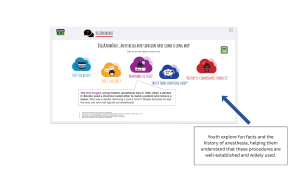
DigiKnowIt News introduces foundational concepts of sedation and anesthesia in ways that are engaging and reassuring for youth.
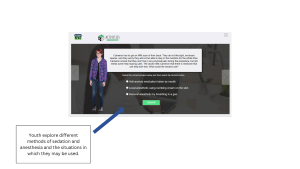
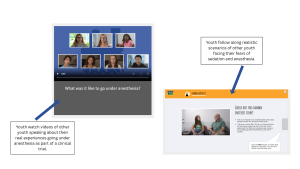
Beyond basic information, youth benefit from actively engaging with learning content about how procedures work. Interactive activities allow youth to explore different types of sedation and anesthesia, and when they are used, in realistic scenarios.
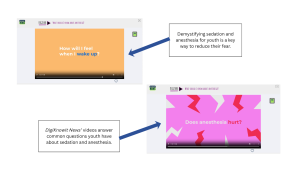
Fear often comes from the unknown or from misinformation. DigiKnowIt News helps answer common questions children may have, such as:
- Will it hurt?
- What will I feel like when I wake up?
- What actually happens during anesthesia?
DigiKnowIt News includes short, engaging videos that explain what youth can expect before, during, and after procedures.
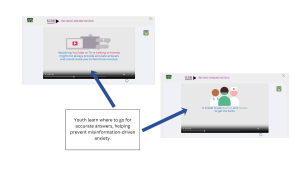
Children often turn to unreliable sources when they feel uncertain about participating in a study that includes sedation or anesthesia. Providing accurate, accessible information is critical. DigiKnowIt News encourages youth to seek information from trusted medical professionals.
One of the most powerful ways to reduce fear is through relatability. Real stories help normalize the experience for youth and reduce their fear of the unknown.
Preparing Participants Before Enrollment Matters
In many pediatric trials, preparation focuses on consent and logistics. Less attention is given to emotional readiness, particularly for trials involving sedation and anesthesia. However, emotional preparedness may influence youth willingness to enroll, participant comfort during participation, and successful retention rates in your study.
DigiKnowIt News prepares youth for research-related medical procedures through:
- Interactive learning experiences
- Illustrations
- Peer storytelling
- Developmentally appropriate content
Sedation and anesthesia content is available in the teen version of DigiKnowIt News, allowing study teams to tailor content to their protocol and participant population.
Prepare Potential Participants for Your Study
Helping youth feel prepared for sedation and anesthesia procedures may reduce avoidable emotional barriers and support smoother study execution. Explore DigiKnowIt News at digiknowit.com.
- Yu, Q., Han, Q., Yan, R., & Ding, X. (2025). Pediatric Anesthesia, Psychology, and Interventions: A Narrative Review. Drug design, development and therapy, 19, 9779–9787. https://doi.org/10.2147/DDDT.S481654